
Everyday nutrition guide
Everyday nutrition for real Estonian kitchens
A healthy daily menu does not need imported superfoods or a strict plan. It needs the food groups Estonia's dietary guidance already names, arranged into meals you will actually repeat.
Where the gaps usually appear
Most everyday menus are not short on food. They are short on two or three specific groups, and the shortfall repeats quietly for months rather than showing up in a single week. Looking at the week rather than the plate makes the pattern visible.
The four groups below carry most of the correction. You do not need all of them on the same day. You need them to appear often enough that a normal Tuesday still contains one of each.
- Fruit and vegetables
- Aim for five portions a day
- Whole grains instead of refined
- Swap at one meal first
- Protein spread across the day
- Not saved for dinner alone
- Nuts and seeds
- A small daily portion
The base of the plate
Vegetables and fruit form the widest part of the day. The World Health Organization recommends five portions a day for adults, which in practice means vegetables at two meals, plus fruit or berries once or twice more. It is easier to hold that shape than to count anything.
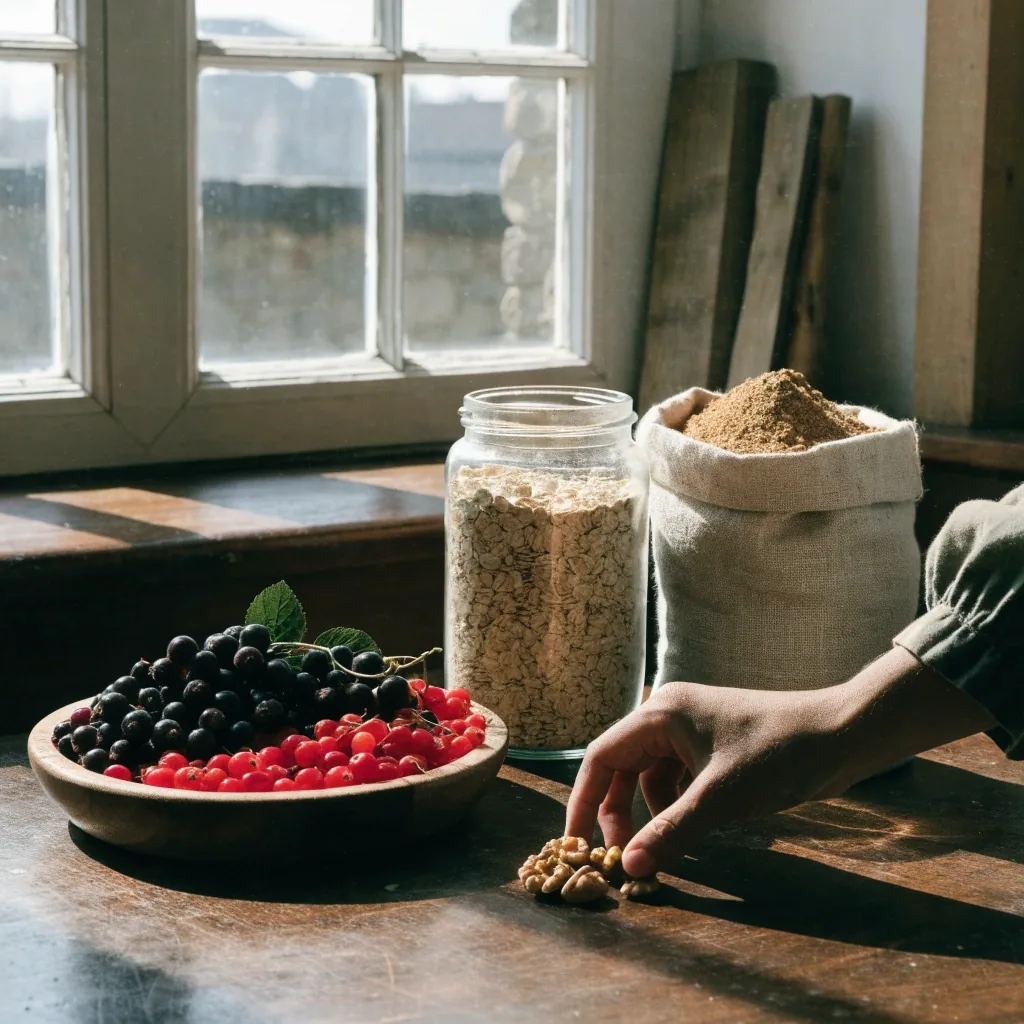
Estonian guidance names berries specifically, which suits a kitchen here. Blackcurrants, lingonberries and strawberries grow locally, arrive in season and stir into porridge, yogurt or a plain snack without any preparation. Frozen berries work just as well outside the season and usually cost less. A bag in the freezer is the most reliable way to keep the fruit side of the plate moving through February.
Vegetables do not need to be a separate dish. Grated carrot into a mince, cabbage alongside a chop, or a handful of peas into barley all count and take no extra cooking step. What fails is treating vegetables as an event that has to be planned. They work better as an addition to something already happening.
Whole grains, chosen for texture rather than virtue
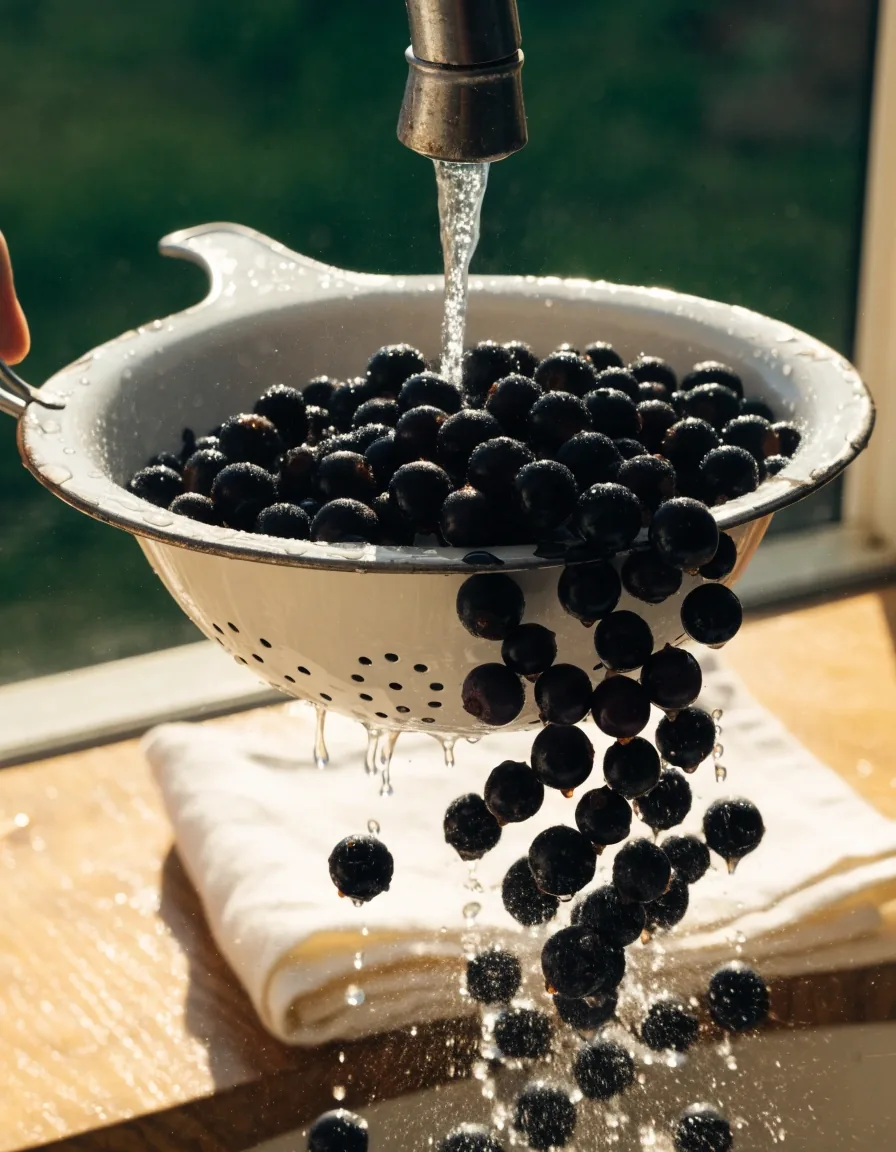
Rye bread, oat porridge, barley and buckwheat are ordinary here, and national guidance lists whole grains as the preferred choice over refined versions. The fibre is the practical part: it slows the meal down, which is what keeps lunch from turning into a heavy afternoon.
Swap white bread for rye at lunch
One meal, one change. Rye holds a slice together the same way and adds fibre the white loaf does not carry. This is the substitution most people keep after a month.
Replace instant porridge with rolled oats
Rolled oats take about five minutes on the hob and hold their texture. The instant sachets are usually sweetened, which is the part worth removing rather than the oats themselves.
Cook barley or buckwheat once, use it twice
A pot on Sunday becomes a side dish on Monday and a base for a warm salad on Tuesday. Both grains sit in Estonian kitchens already and neither needs a recipe.
Keep one refined staple, change the rest
A full pantry reset rarely survives a busy week. Smaller substitutions hold up better, and nothing here requires giving up the bread you actually like.
Protein across the day, not just at dinner
Fish, unsweetened dairy, eggs, legumes and poultry all have a place. Spreading protein across breakfast, lunch and dinner tends to steady appetite through the afternoon better than loading all of it into the evening meal.
The most underused group in many kitchens, and the cheapest to correct.
- Lentils into soup
- Chickpeas into a salad
- Beans mashed as a spread
Twice a week already puts most people close to typical guidance.
- Baltic herring, tinned or fresh
- Sprats on rye bread
- Salmon when it is on offer
The fastest breakfast protein in the kitchen, and a plain carrier for vegetables.
- Boiled the night before
- Fried with spinach or onion
- Baked into a small frittata
Unsweetened versions do the same job as the flavoured ones without the added sugar.
- Plain yogurt with berries
- Cottage cheese on rye
- Chicken with root vegetables
Where nuts and seeds fit
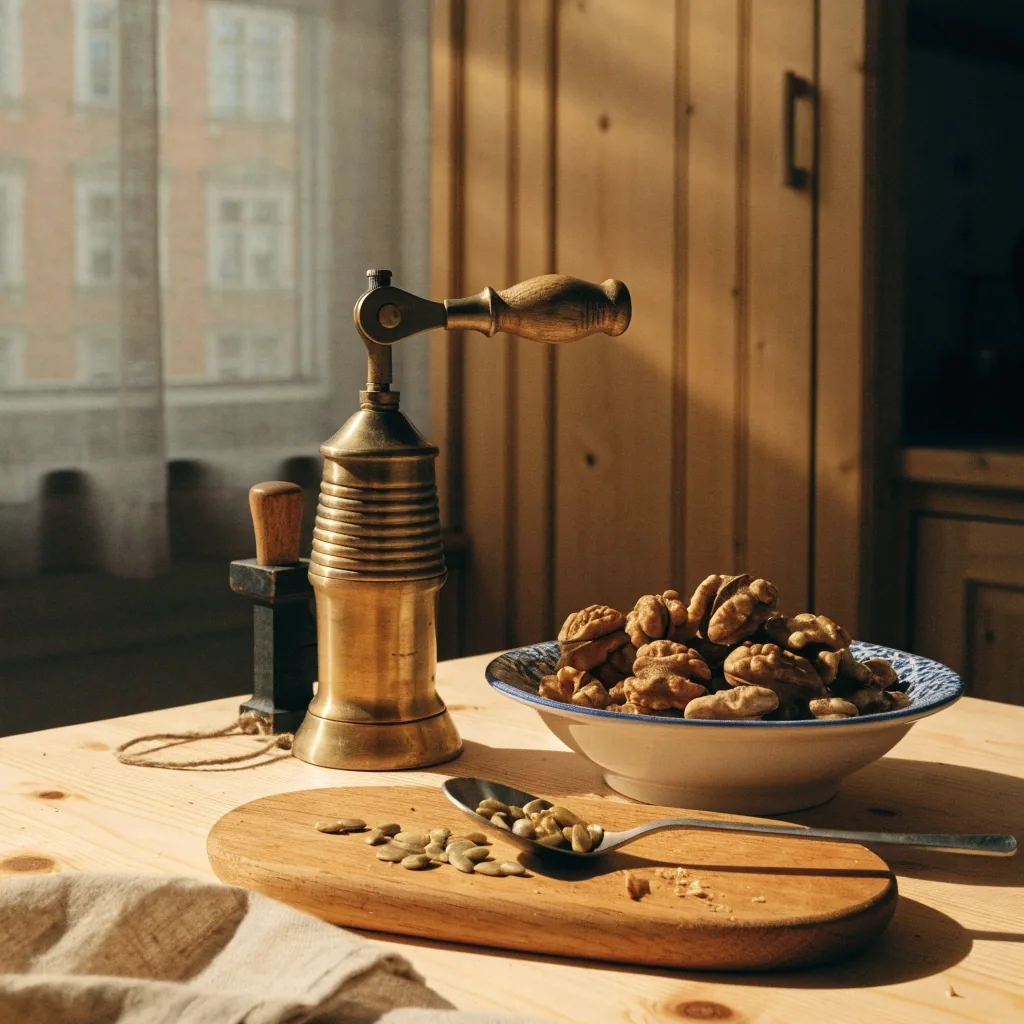
Nuts and seeds appear in Estonian guidance and in longevity-oriented eating patterns because they pack healthy fats, fibre and micronutrients into a small portion. A handful is the whole dose. There is no benefit to a large bowl.
The practical trick is placement. Keep the jar where you make coffee, not in a cupboard behind the flour. The food you can see is the food you eat, and a visible jar of walnuts replaces the sweet snack that would otherwise follow the coffee.
If you want a menu looked at properly rather than in general terms, that conversation belongs with a nutritionist who can see what you actually eat in a week. We are at Riia tn 24 in Tallinn, Monday to Friday, 9:00 AM to 6:00 PM.
The swap that matters most
Keeping the daily soft drink
Sugar-sweetened beverages are named directly in national guidance, and they are the most repeated sugar load in an ordinary week. One drink a day is a habit, not a one-off, and it arrives without any preparation at all.
- Easy to take without thinking
- Adds sugar on top of a full day of eating
- Does not replace hunger, so nothing else adjusts
Replacing it with something plain
Water, sparkling water or unsweetened tea on the same shelf takes the same second to reach. Removing the repeated load is the single change that requires no new cooking at all.
- Sparkling water in a glass bottle in the fridge door
- Unsweetened tea brewed in the evening for the next day
- Berries dropped into plain water for the taste
None of this is a dramatic intervention. It is the kind of change that survives a Tuesday, when the fridge is half empty and nobody wants to cook. If you want to read more about how these habits hold over years rather than weeks, the longevity habits guide goes further into it.
Building a day, start to finish
This is the shape the rest of the guide points at. None of it is novel, and that is the argument for it. A menu you can cook without thinking is a menu you will still be using in six months.
Breakfast
Oats with berries and seeds, or rye bread with egg or unsweetened cheese.
Lunch
Fish or legumes with vegetables and a whole grain such as barley or buckwheat.
Snack
A handful of nuts, fruit from the bowl, or plain yogurt without added sugar.
Dinner
Lighter than lunch, with vegetables leading the plate and protein present.
Two notes on how to run it. First, the snack is not a reward and the dinner is not a punishment; the day works because each meal does a job rather than because the calories balance. Second, if a meal goes wrong, the next one is not a fresh start, it is simply the next meal. The pattern across the week is what carries.
Portions and the weight question
More than half of Estonian adults aged 16 to 64 were overweight or obese in 2020, according to the country health profile, so portions deserve an honest look rather than a quick reassurance.
Strict dieting rarely holds past the first month. Adjusting the ratio instead — more vegetables and protein, fewer refined starches and sweet drinks — tends to be more sustainable because nothing is forbidden outright.
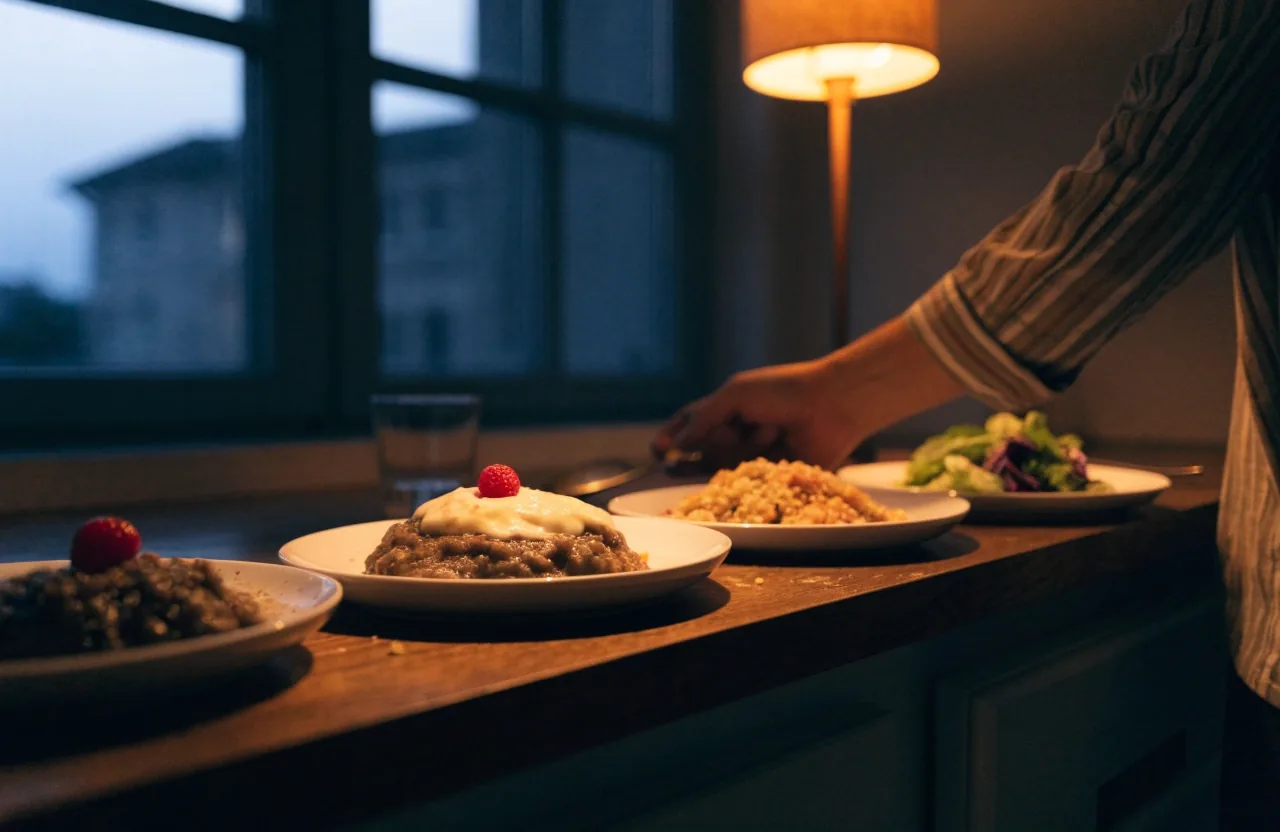
You are not counting anything here. You are changing what fills the plate first. Start each hot meal with the vegetables and the protein, then add the grain to what is left of the plate. For most people that single reversal moves the ratio without a scale, an app or a list. If weight has changed for reasons you cannot account for, that belongs with a doctor rather than with a menu guide, and we will say so plainly.
Shopping for a week
The kitchen decides more of this than the willpower does. Buy vegetables for two or three meals at a time rather than a fortnight, so nothing rots in the drawer while the plan waits for a free evening that never arrives. Keep a bag of frozen vegetables and frozen berries as the backup.
- 01 Tinned legumes in the cupboard mean a decent meal exists even on a bad day: chickpeas, kidney beans and lentils, three tins deep.
- 02 Dried whole grains keep for months without a fridge. Rolled oats, barley and buckwheat sit in plain jars and are ready when nothing else is.
- 03 Nuts and seeds buy well in larger bags and keep in a sealed jar on the counter, where you will actually see them.
- 04 Frozen berries and vegetables are not a lesser option. They are picked and frozen near the field and cost less than the fresh shelf in winter.
- 05 Keep the water, sparkling water and unsweetened tea where the soft drinks used to stand in the fridge door. Place beats intention.
The goal is a kitchen where the healthy option is also the fast one. Weekly meal plans with a printed shopping list help some people and quietly fall apart for others. The list above is short on purpose: five decisions that survive a normal week beat a perfect plan that lasts three days.
Questions that come up most
Do frozen berries count the same as fresh ones?
Yes. Berries are frozen close to harvest, and the nutrient content holds well through the freezer. In Estonia they are also usually cheaper outside the summer months. A bag in the freezer keeps the fruit side of the plate running through winter, which matters more than which version is nominally better.
Is rye bread really better than white bread?
Rye and other whole grains bring more fibre than refined white bread and appear as the preferred choice in national guidance. The useful comparison is at the meal, not on the shelf: a slice of rye with egg or fish holds an afternoon better than the same slice of white bread. If only one change sticks, make it the bread.
How much protein should be in a day?
The amount depends on your body weight, health and activity, and it is one of the places where a nutritionist will give you a number rather than a range. What holds regardless of the number is the spread: some protein at breakfast, some at lunch, some at dinner, rather than all of it in the evening.
Do I need supplements to eat this way?
For most adults eating a varied diet built on the groups in this guide, food comes first. Vitamin D is a common exception in northern latitudes and worth raising with a doctor, who can check it properly. We do not sell supplements, and we would rather you spent the money on fish twice a week.
What if my eating habits are already reasonably good?
Then the work moves to portions and to the drinks, not to adding another superfood. A short conversation is usually enough to find the one or two places where the pattern has drifted — often the sweet drink, the afternoon snack, or the size of the evening plate. That is a smaller job than overhauling anything.
Where to go next
This guide covers the plate. The rest of the site covers the day around it, the week around that, and the questions a menu guide cannot answer on its own.
Eat one honest day before you change the week.
Pick tomorrow, note what actually lands on the plate, and bring it along. That is more useful than a food diary filled in from memory on Friday.
Visit the lab
Riia tn 24
10117 Tallinn, Estonia
Monday to Friday, 9:00 AM – 6:00 PM
The year in months
Seasonal eating is a calendar too. Berries in July, root vegetables from October, and the freezer carrying the gap between them.