
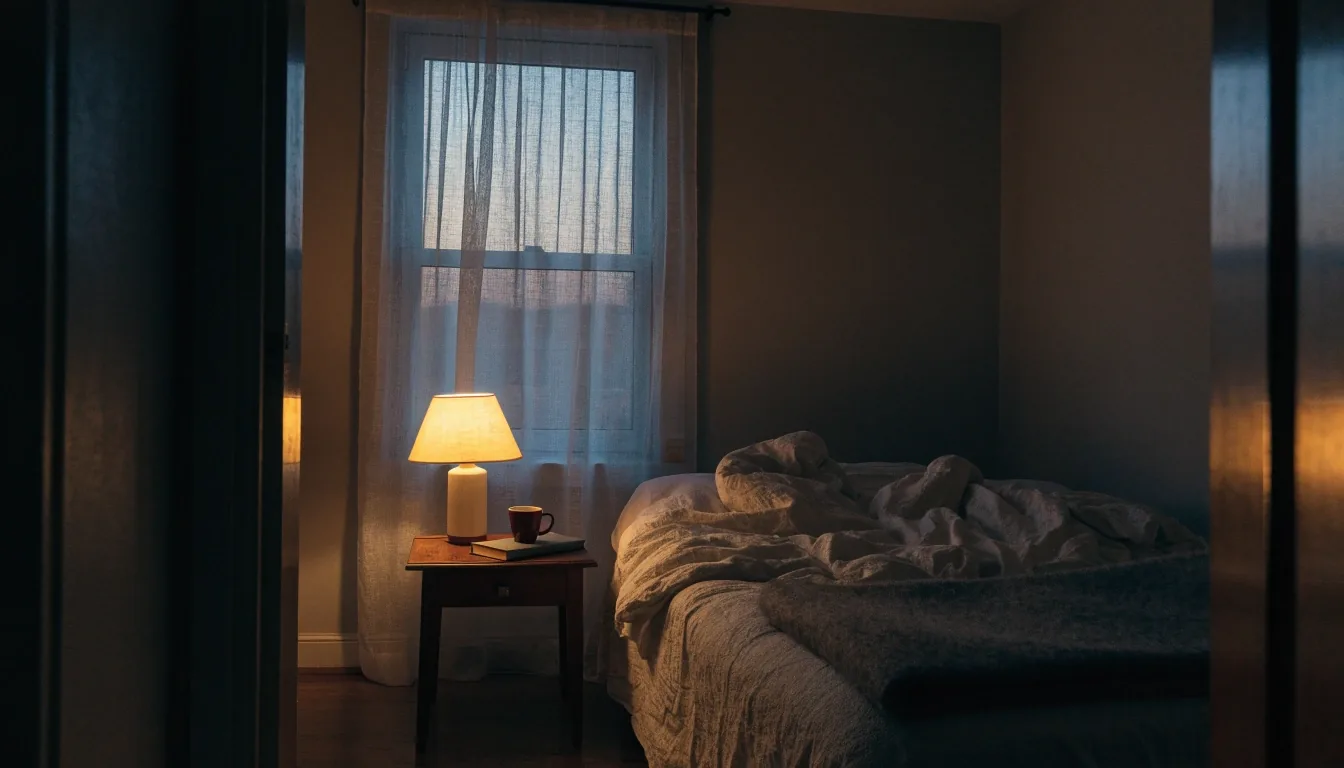
Sleep hygiene that works without supplements
Sleep is where recovery happens, and it is also where most energy problems start. Before buying anything, it is worth fixing the basics: a consistent wake time, dim light in the evening, and a room that is cool and dark.
Recovery starts with a rhythm, not a purchase
Sleep hygiene is not one decision. It is a set of small, repeatable habits that shape when the body rests and how well it repairs overnight. The aim here is healthy longevity, not a quick fix for this week: consistency over months is what moves the needle.
This page covers circadian rhythm habits and their day-to-day link to fatigue prevention, alongside eating timing that quietly supports or fights against a good night. Nothing here is a diagnosis. It is a practical routine you can start tonight and adjust over a few weeks.
What actually changes the night
Four levers, in order of how much they usually matter. Worth running your finger down the list before changing anything else.
Morning light sets the clock
Ten to fifteen minutes outside, or beside a bright window, in the first hour after waking.
A steady wake time beats a perfect bedtime
The same rising time daily is what actually stabilises the rhythm.
Your circadian rhythm is set in the morning
Light exposure in the first hour after waking anchors the body clock, which in turn shapes when you feel alert and when you feel sleepy.
Getting outside, or at least near a bright window, for ten or fifteen minutes helps. It sounds trivial. It is one of the more reliable levers available, and it costs nothing.
On an Estonian winter morning, that usually means taking the light seriously rather than waiting for a sunny day. Grey daylight at breakfast still counts.
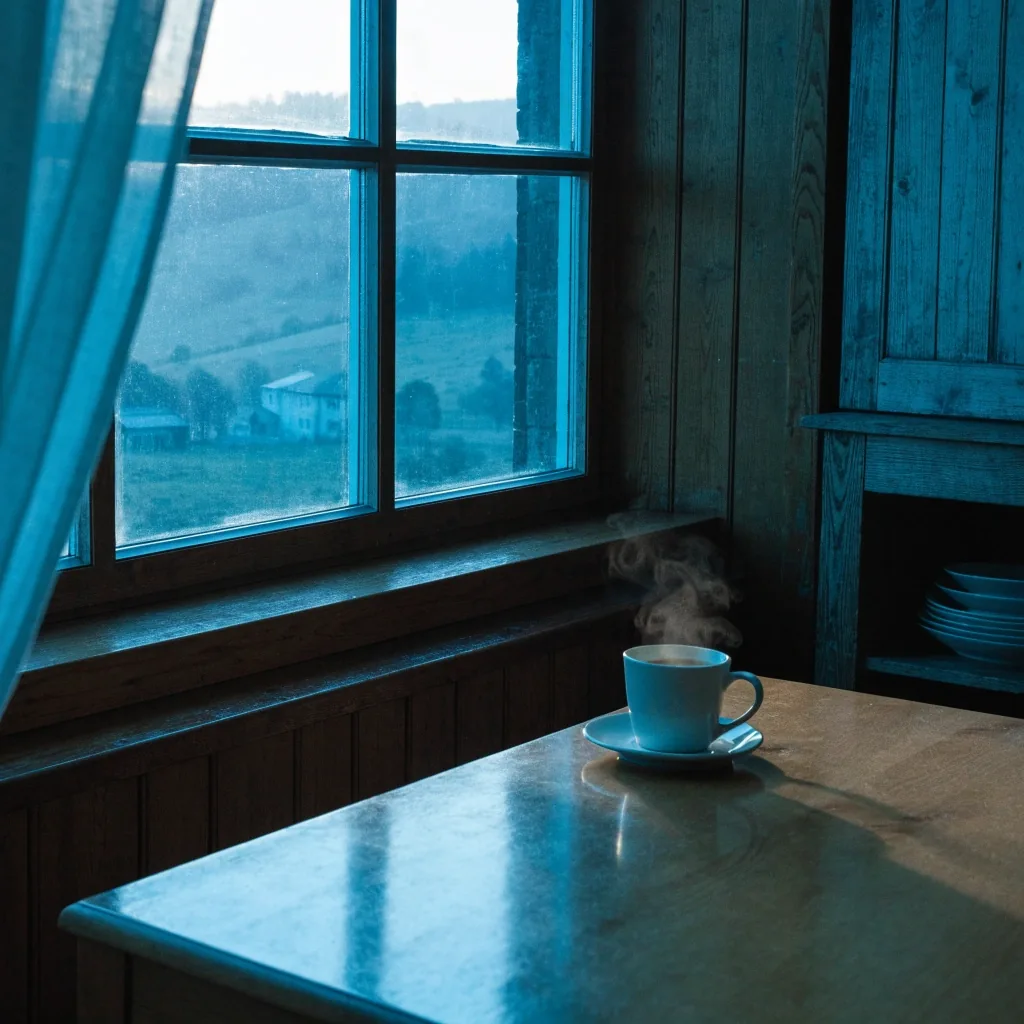
Ten minutes of daylight at breakfast is the cheapest habit on this page.
Where the wake window and the dark window usually sit
On the left, the hours most people eat and move. On the right, the stretch where the room should do most of the work for you. The exact edges shift from person to person; the order does not.
A last coffee in the early afternoon still lingers through the evening for many people.
The evening meal sits earlier than most routines allow: finished two or three hours before bed.
The dark stretch is the room's shift. Less light, lower temperature, no screen within arm's reach.
A steady wake time beats a perfect bedtime
You cannot force yourself to fall asleep at a chosen minute, but you can get up at the same time daily. That regularity is what stabilises the rhythm over a week or two.
Weekend lie-ins of three hours undo much of the work. If you need more sleep, go to bed earlier rather than getting up later. The clock you are tuning lives in the morning, not the evening.
- 06:45 Wake at the same time on weekdays, curtains open.
- 07:00 Ten to fifteen minutes near a window or outside.
- 14:00 Last coffee, if coffee is part of the day at all.
- 19:30 Evening meal finished, kitchen mostly closed.
- 21:30 Lights dimmed, screens lowered or away.
- 22:30 Bed. The wake time tomorrow is the same as yesterday.
A sample frame, not a prescription. Shift the hours to fit your life; keep the order.
The evening habits that quietly work against you
Two ways to spend the last two hours before bed, side by side. Neither column is a rule; the difference is the point.
- ○Overhead lights off an hour before bed; lamps only.
- ○Screens off an hour before bed; brightness at least reduced.
- ○Last coffee at the early afternoon; nothing after.
- ○Evening meal finished two to three hours before bed.
- ○Window cracked open; phone charging in another room.
- ○Bright screens until the moment you lie down.
- ○An afternoon coffee that is still active at midnight.
- ○A nightcap: faster to fall asleep, then a fragmented second half.
- ○A heavy late dinner, or going to bed properly hungry.
- ○A warm, bright room, and a phone within arm's reach.
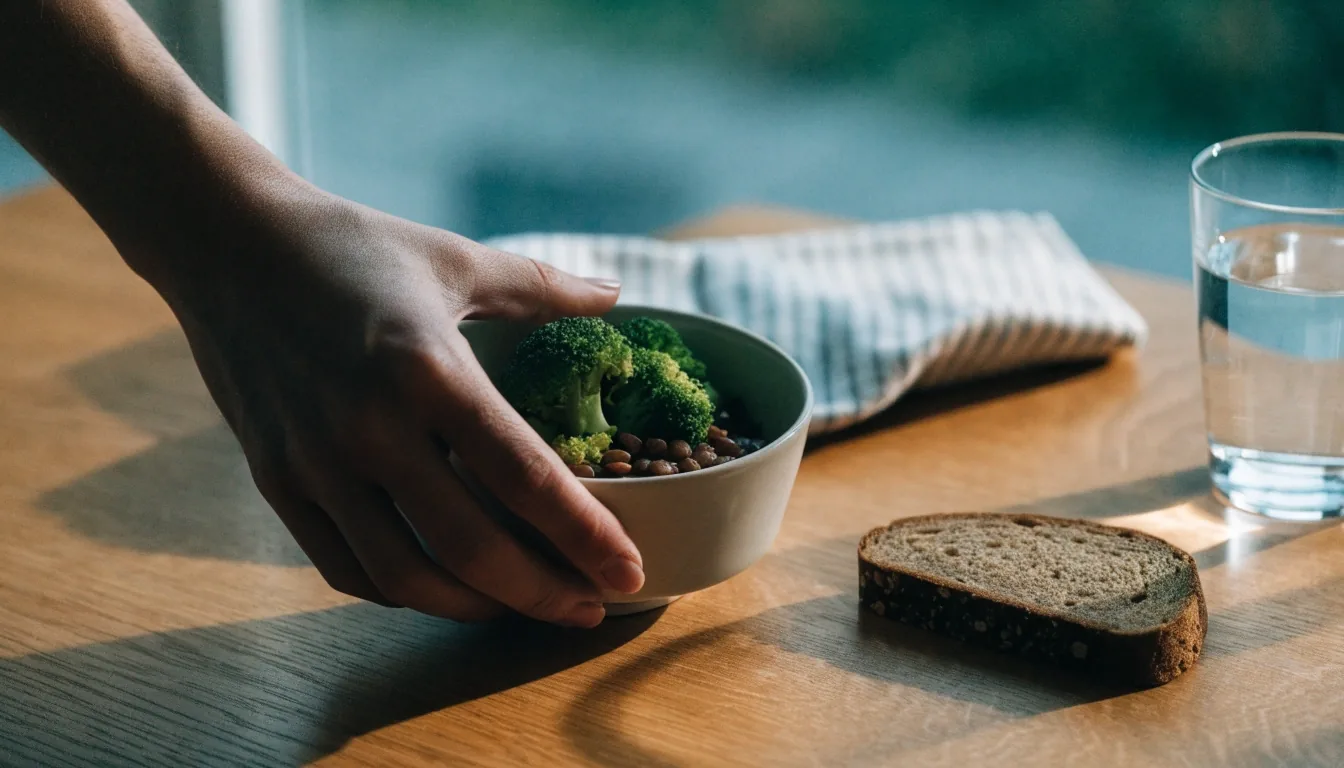
Eating timing and sleep quality
Heavy meals close to bedtime tend to disturb sleep, and so does going to bed hungry. A lighter evening meal with vegetables and some protein, finished two or three hours before bed, suits most people.
If you wake at 3am regularly, look at evening alcohol, late caffeine and total calorie intake before assuming it is stress alone. Those three are the levers most people can actually change this week.
If you want the fuller picture of what a day of eating looks like in this kitchen, the everyday nutrition guide walks through the plate one meal at a time.
The room itself
Cool, dark and quiet remains the standard advice, and it is rarely fully applied. The stack below is worth re-reading once a season.
Blackout curtains or a sleep mask. Even a faint streetlight on the wall is worth covering.
A slightly open window or a cracked door beats a warm room. Cool is the default; adjust from there.
Earplugs are a tool, not a defeat. If you share a bed with a snorer, they are simply part of the kit.
Keep the phone out of arm's reach. Distance is the habit; willpower is the fallback.
Recovery is more than one night
A single short night is manageable; five in a row is not. The effects show up as appetite changes and lower motivation to move.
When you are short on sleep, cravings for sugary and refined food tend to increase. The good intentions from Sunday disappear by Wednesday.
That is the link back to nutrition: a steady sleep routine makes the eating habits on the other pages of this site easier to keep.
Where to go deeper
-
Energy & Fatigue Prevention
The daytime half of this page: sleep, food, movement, and the fatigue warning signs to note.
-
Everyday Nutrition Guide
What a day of eating looks like, one meal at a time, with the same plain reasoning.
-
Longevity Habits
The longer view: which small habits are worth keeping over years, and why consistency wins.
-
About the Lab
How the lab works, how the guidance is written, and where the questions come from.
Questions worth asking
Short answers to the questions we hear most often. Nothing here replaces a conversation with a doctor when the picture is unclear.
How long until a steady wake time makes a difference?
Most people notice something within a week or two of holding the same wake time, including weekends. The rhythm tends to settle before the falling-asleep part feels comfortable, so give it the full fortnight before judging.
Is melatonin or a supplement a reasonable starting point?
This page is about the habits that sit underneath, not about what to buy. If you are considering a supplement, speak with your doctor or pharmacist about whether it fits your situation, interactions, and timing. The basics on this page are worth running first because they are the ones that keep working.
I wake at 3am most nights. What should I look at first?
Evening alcohol, late caffeine and total calorie intake are the three worth reviewing before assuming stress alone. If waking at 3am happens most nights for weeks, or comes with loud snoring and daytime exhaustion, that is a reason to see a doctor rather than adjust the routine further.
Does a weekend lie-in really undo the week?
A three-hour shift later on a Saturday and Sunday makes Monday morning feel like jet lag, which is why many people start the week behind. If you need more sleep, going to bed earlier is the version that does not cost you the week.
Are the hours on this page something I should follow exactly?
No. They are a sample frame to show the order of the day. Shift the times to fit your work, your family, and the Estonian light in winter or summer. What matters is that the order and the gaps between meals stay roughly in place.
When sleep problems need a professional
Persistent insomnia, loud snoring with daytime exhaustion, or waking gasping are reasons to see a doctor rather than adjust your routine further. Nothing on this page diagnoses those situations. It is background on habits that support normal sleep, and it has limits.
If the habits on this page are working for you and you want them checked against the rest of your week, that is exactly the conversation the lab is set up for.
Ask about sleep habits, food timing, or energy across the day. Monday to Friday, 9:00 AM to 6:00 PM.